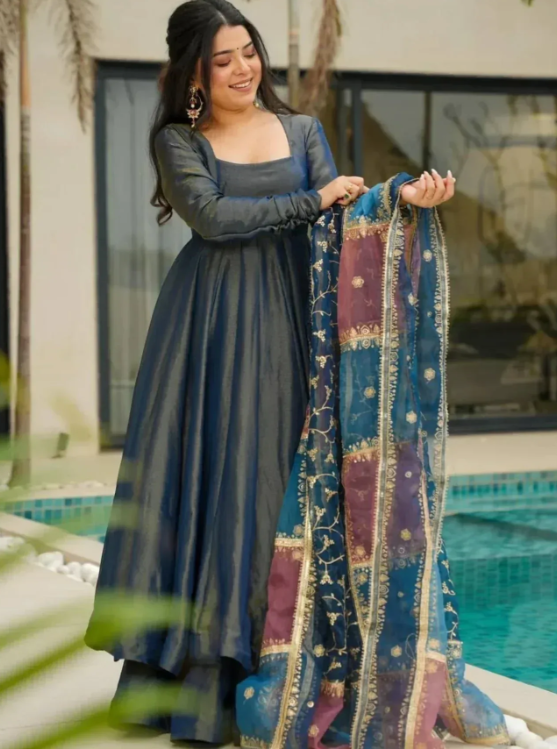
Wedding dressing does not always need layers of heavy decoration to feel special. Designer Anarkali suits for Wedding celebrations can offer graceful silhouettes, flowing fabrics, and detailed craftsmanship while keeping the overall appearance refined. The right combination can make traditional dressing feel festive without looking excessively styled.
The challenge usually comes when several attractive details are combined together. Heavy embroidery, bright colors, ornate borders, and statement accessories can each look beautiful separately. Together, however, they may make the outfit feel crowded. A little planning can help you decide which details deserve attention.
Consider the Wedding Function First
Different wedding functions create different opportunities for dressing. A daytime ceremony may work better with lighter colors and delicate details, while an evening celebration can support deeper shades and subtle shimmer. Thinking about the event first makes the rest of your styling decisions much easier.
The venue can influence your choice as well. A formal banquet setting may suit a more structured Anarkali, while an outdoor celebration can work beautifully with softer fabrics and comfortable silhouettes. Matching the outfit to the atmosphere helps it feel appropriate without appearing either too simple or too elaborate.
Before Choosing Your Anarkali
- Consider the timing of the wedding function.
- Think about the venue and overall celebration style.
- Decide how formal you want the final appearance.
- Choose details according to the occasion.
Decide Which Detail Should Stand Out
Every outfit benefits from having a visual focal point. With an Anarkali, this could be an embroidered neckline, decorative sleeves, a beautiful border, or an interesting dupatta. Selecting one main feature prevents the different design elements from competing against each other.
For example, an embroidered bodice can look elegant when paired with a comparatively simple skirt. If the dupatta has detailed embroidery, the rest of the outfit can remain quieter. This creates a balanced appearance where the decorative work remains noticeable without making the complete look feel overwhelming.
Choose Fabric According to the Desired Silhouette
Fabric can change the way an Anarkali moves and sits on the body. Flowing materials create soft movement, while slightly structured fabrics can provide more shape around the skirt. Choosing according to your preferred silhouette can make the outfit look more polished and comfortable at the same time.
When shopping for an Anarakali Suit Online, fabric information becomes particularly useful because photographs cannot always show weight and texture clearly. Check the material, lining, measurements, and care instructions carefully. These details can help you understand whether the outfit will work comfortably for several hours of wedding celebrations.
Fabric Details Worth Checking
- Look at the fabric composition before ordering.
- Check whether the outfit includes suitable lining.
- Consider the weight when choosing embellished designs.
- Think about movement before selecting structured fabrics.
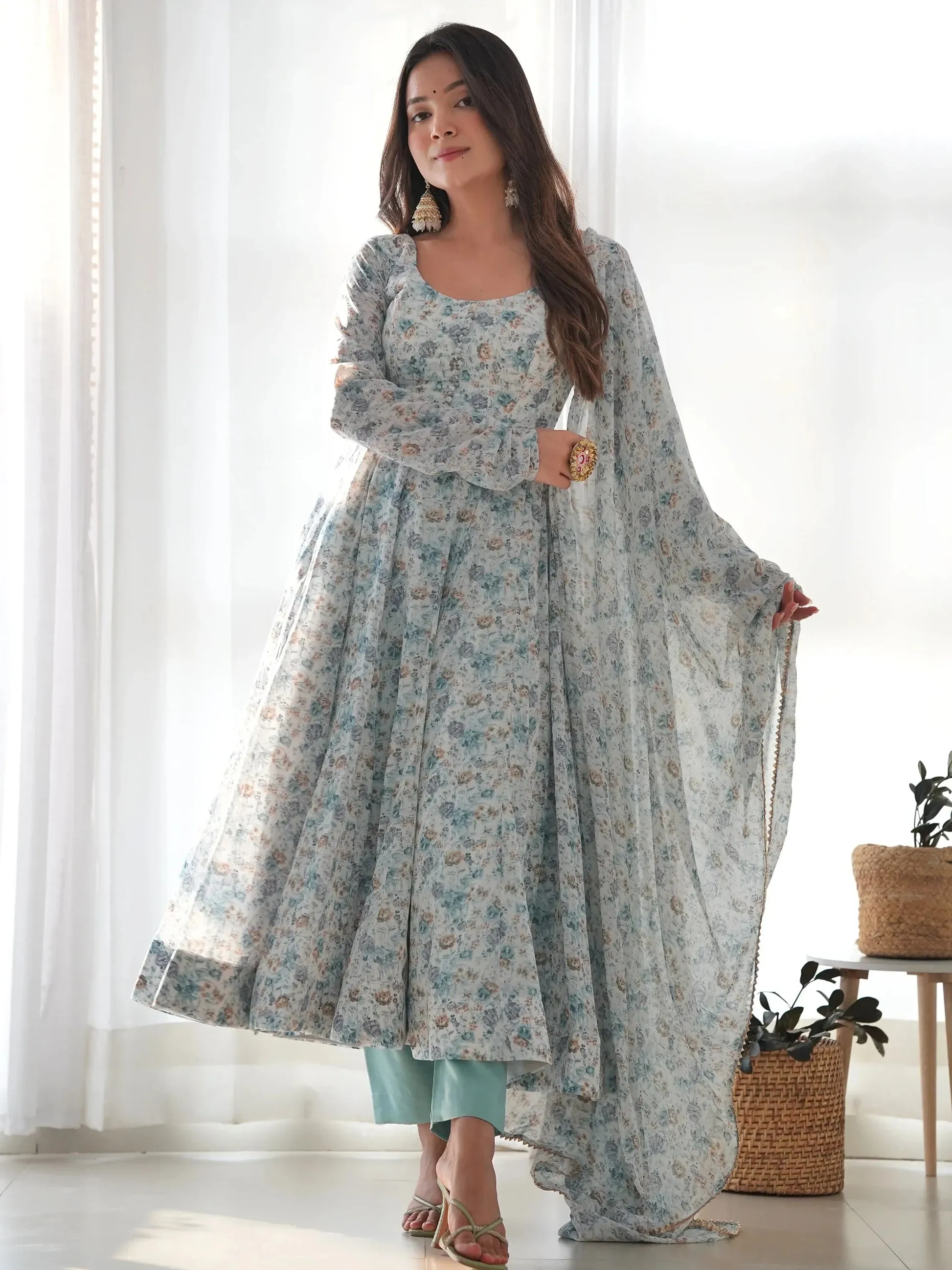
Use Color Without Making It Too Busy
Color can bring plenty of festive character without requiring excessive embellishment. Jewel tones such as emerald, wine, navy, and plum can create a rich appearance, while blush, peach, ivory, and soft pink offer something gentler. The best choice depends on your personal style and wedding setting.
Using one dominant shade with one or two supporting colors often creates better visual balance. The secondary shades can appear through embroidery, borders, dupattas, or accessories. Metallic touches can add a subtle festive finish without introducing another strong color into an already detailed outfit.
Keep Embroidery Focused and Intentional
Embroidery can make an Anarkali look beautifully festive, but its placement matters as much as its quantity. A detailed neckline or ornate hem can provide enough decoration on its own. You do not necessarily need matching embellishment across every section of the outfit.
Different embroidery styles also create different moods. Delicate threadwork can feel graceful and understated, while sequins, beads, and metallic details can create a stronger evening appearance. Choose the technique according to the event and let the rest of the styling support that particular decorative feature.
Style the Dupatta With Some Restraint
A dupatta can add color, texture, and movement to an Anarkali, but it should connect naturally with the rest of the outfit. If the dress contains heavy embroidery, a lighter dupatta with a neat border may create better balance. Simpler outfits can handle more noticeable dupatta detailing.
The draping style can change the overall appearance too. A relaxed shoulder drape feels easy and contemporary, while a traditional front arrangement can appear more formal. Choose something that looks attractive but remains practical enough for walking, sitting, and enjoying the wedding without constant adjustments.
Simple Dupatta Styling Ideas
- Match the border with one outfit detail.
- Use lighter fabrics with heavily decorated Anarkalis.
- Choose a practical drape for longer celebrations.
- Let contrasting colors appear through the dupatta.
- Avoid excessive layering when the outfit is already detailed.
Finish With Carefully Chosen Accessories
Accessories should complete the outfit rather than introduce another competing focal point. Statement earrings can work beautifully with a detailed neckline, while a simple necklace may suit an Anarkali with a more open bodice. Bangles and rings can then add smaller touches without making the styling feel excessive.
Footwear deserves attention because wedding celebrations often involve considerable movement. Embellished flats, comfortable juttis, and low heels can all work depending on the outfit. Choosing footwear that repeats a subtle color or metallic detail from the Anarkali can create a more coordinated final appearance.
Conclusion
Choosing an Anarkali for a wedding is mainly about finding the right balance between decoration, color, fabric, and comfort. You can create a festive appearance without selecting the most heavily embellished design. A clear focal point and carefully chosen supporting details can make traditional dressing feel much more refined.
The outfit should also feel practical enough for the entire celebration. Consider the fabric, silhouette, dupatta, accessories, and footwear together before making your final choice. When these elements complement each other instead of competing, an Anarkali can create an elegant wedding appearance that feels traditional without becoming unnecessarily overdone.