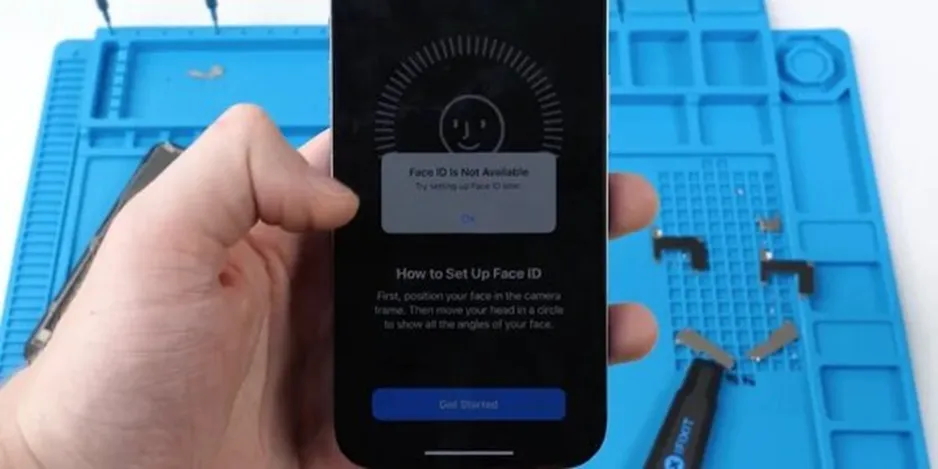
An iPhone may appear simple externally, but its internal components form a carefully coordinated system. A damaged screen, weak battery, faulty camera, or sensor problem often requires more than replacing the visibly affected part. During iPhone Face ID Repair, precise handling is especially important because the feature depends on sensitive hardware working together correctly.
Selecting the cheapest replacement may seem practical, but a poorly matched component can affect performance, compatibility, durability, or other functions. A smarter repair decision focuses on component quality, technical expertise, proper installation, and testing. The goal is not merely to make the iPhone functional again, but to restore dependable everyday performance.
Why Replacement Parts Matter
Modern iPhones depend on closely integrated hardware and software, so compatible replacement parts are essential. A low-quality component may work initially but later cause problems such as:
● Inconsistent touch response.
● Poor display brightness or colour accuracy.
● Unusual battery consumption.
● Charging interruptions.
● Camera performance issues.
● Weak microphone or speaker output.
● Sensor-related errors.
A good repair should restore functionality rather than introduce another set of problems.
Compatibility Is More Than Physical Fit
A common misconception is that a replacement part is suitable simply because it fits inside the phone. Physical dimensions are only one aspect of compatibility. Electrical characteristics, connectors, firmware requirements, communication protocols, and software integration can all affect performance. A replacement display, for example, must work correctly with the touch system and other front-assembly functions.
Battery replacement highlights the same issue. A battery affects power delivery, charging, thermal management, and battery-health information. An unsuitable battery may create performance problems even if the phone appears to charge normally. Properly verified parts reduce compatibility risks and provide technicians with a reliable foundation for completing repairs correctly.
Software and Hardware Must Work Together
An iPhone repair does not always end when a replacement component is installed. Depending on the device and part, configuration, calibration, diagnostic checks, or other software procedures may be required. Some components can trigger service notifications or affect certain functions if they are not properly recognized or configured.
This does not mean every repair requires identical procedures, but it shows why technicians need knowledge beyond hardware replacement. A repair provider should understand how components interact with the operating system and test relevant functions before returning the phone. A device that powers on is not necessarily a successfully repaired device.
Why Face ID Repairs Require Specialist Handling
Face ID demonstrates the complexity of modern smartphone repair. It relies on multiple components working together to recognize facial characteristics and establish depth information. Drops, liquid exposure, screen damage, or previous repairs can affect the system. Because visible symptoms may not identify the actual cause, technicians need to examine the device carefully before selecting a repair approach.
During iPhone Face ID Repair, delicate sensors, cables, connectors, and related assemblies require precise handling. Replacing a component without identifying the underlying fault may fail to resolve the issue or create further complications. Specialist knowledge helps technicians diagnose accurately, preserve functioning components, and repair the biometric system without unnecessarily disturbing other parts.
The Risks of Cheap or Unverified Components
Lower-priced replacement parts can be tempting when customers want to reduce immediate repair costs. However, the initial saving may not reflect the component’s long-term value. A replacement display with inconsistent touch sensitivity can make typing, gaming, scrolling, and gestures frustrating. Likewise, a poor-quality battery may offer unreliable runtime or behave unpredictably while charging.
Durability is another concern. If an inexpensive component fails prematurely, the customer may face another repair, additional labour, and greater inconvenience. Not every aftermarket component is poor quality. The key is whether it has been assessed for compatibility, performance, and reliability. Customers should ask specific questions instead of judging a replacement part solely by its price.
Questions to Ask Before Choosing a Repair Provider
A few straightforward questions can help customers make a more informed decision.
What type of replacement part will be used?
Ask whether the component is original, refurbished, OEM-grade, or aftermarket. If unfamiliar terminology is used, request a simple explanation of what it means for the repair.
Is the component compatible with my exact iPhone?
Different iPhone models can use different internal components. Confirm that the technician has identified the exact model before ordering or installing a replacement.
Could the repair affect existing features?
Ask whether Face ID, cameras, display functions, wireless charging, sensors, or battery reporting could be affected by the proposed repair.
Will calibration or configuration be necessary?
For some components, additional technical procedures may be required after installation. Understanding this beforehand helps prevent surprises.
How will the phone be tested?
A responsible repair should include appropriate functional checks. Depending on the job, these may include testing touch sensitivity, cameras, microphones, speakers, charging, connectivity, biometric functions, and sensors.
What warranty is provided?
Customers should understand what the repair warranty covers, how long it lasts, and which situations may be excluded. Clear terms make the repair decision easier to evaluate.
Workmanship Is Just as Important
The right replacement part cannot compensate for careless installation. Modern iPhones contain delicate connectors, flexible cables, compact assemblies, and tightly arranged internal components. Excessive force or incorrect disassembly can cause damage that was not part of the original problem. Good repair practice begins with diagnosis.
A technician should determine what has actually failed instead of automatically replacing the most obvious component. This approach can prevent unnecessary costs and reduce the risk of disturbing functioning hardware. Testing after installation is equally important. The repaired function should be checked, but technicians should also examine related features that could have been affected during the repair.
Think Beyond the Immediate Repair Bill
A quality repair can help extend the useful life of an iPhone that would otherwise be replaced. That makes repair quality an investment in continued usability rather than simply an expense. When comparing providers, customers should look beyond price. Component quality, diagnostic ability, technical experience, repair procedures, testing, warranty coverage, and transparency all deserve consideration. A slightly higher upfront cost may be worthwhile when it reduces the likelihood of repeated repairs and preserves important device functions.
Conclusion
Original or properly verified parts are important because an iPhone depends on precise interaction between hardware and software. The right component supports compatibility, durability, and reliable performance, while unsuitable parts may cause further issues. This is especially important for Face ID, which requires careful diagnosis and handling. Customers considering original parts for iPhone Repair in Dubai should ask about quality, compatibility, testing, calibration, and warranty. Effective repair should restore performance without compromising existing functions.
800fixing provides repair support for Apple devices and other consumer electronics in Dubai. They offer technical diagnosis and repair services for different device-related issues, with solutions selected according to the equipment and fault involved. Their approach gives customers an option to repair existing devices rather than immediately replacing them.